



In B2B sales, the Sales Development Representative (SDR) plays a critical role in driving revenue and building pipelines. But what is an SDR in sales, and how is the role evolving in 2026? Whether you’re a sales leader optimizing your team or an aspiring professional exploring career paths, understanding the SDR meaning in sales is essential to unlocking sustainable growth.

Most B2B teams lose 40–60% of qualified prospects to broken handoffs and weak qualification. Take our 2-minute diagnostic to find out where your pipeline is bleeding — and how to fix it.
Start the Quiz → Takes 2 minutes. No email required to start.This guide explains the SDR definition in sales, outlines daily responsibilities and essential skills, and reveals why top-performing organizations are shifting from volume-based prospecting to qualified appointment generation.
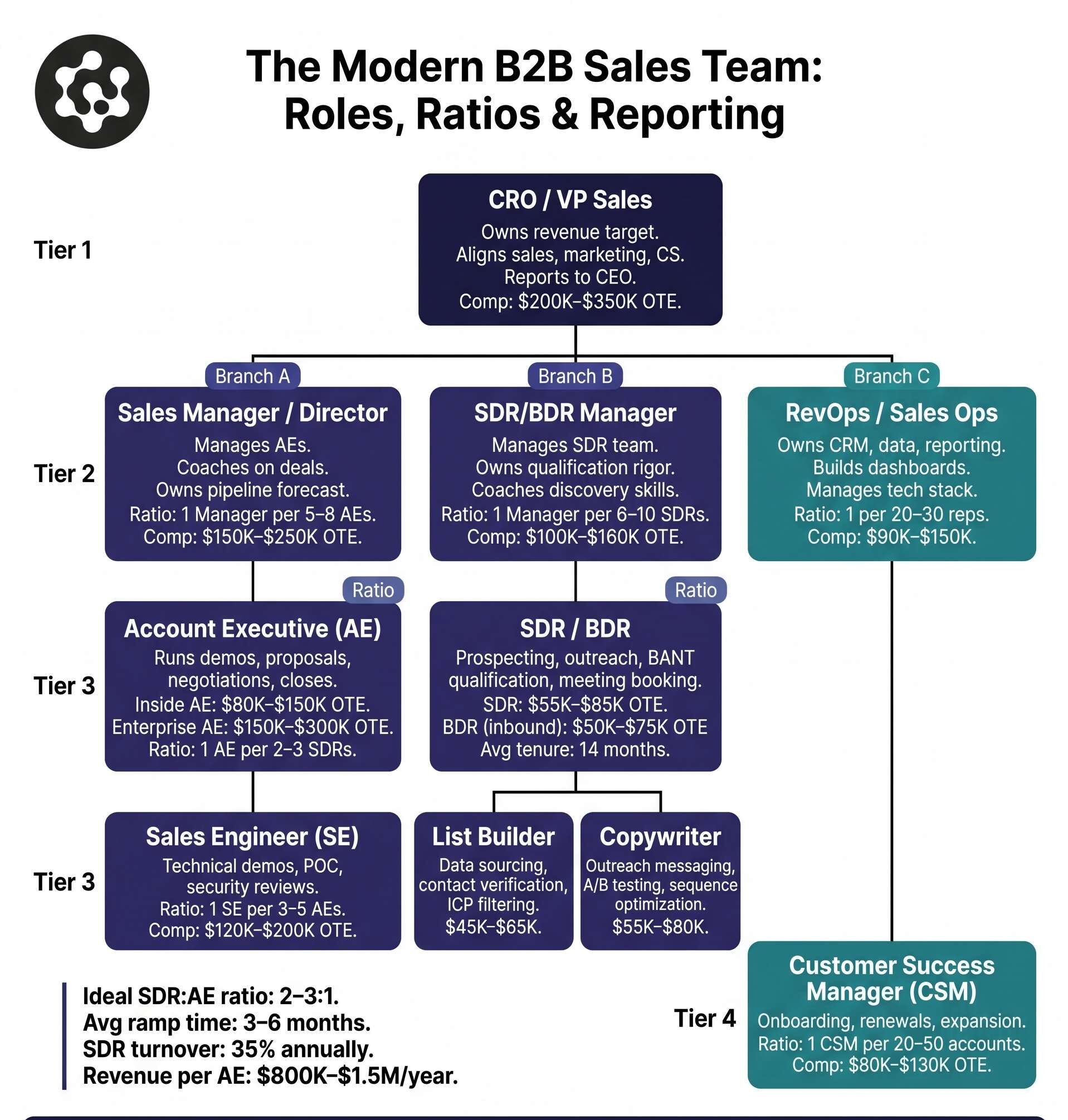
SDR Sales Meaning: Defining the Role
SDR stands for Sales Development Representative. An SDR is a sales professional focused on generating and qualifying leads to fill the sales pipeline. Unlike Account Executives (AEs) who close deals, SDRs concentrate on the early stages of the sales process—identifying prospects, nurturing relationships, and passing qualified leads to closers.

The SDR role bridges marketing and sales. SDRs engage in outbound prospecting through cold calling, email outreach, and LinkedIn engagement, and sometimes handle inbound leads, ensuring only high-quality opportunities reach the sales team. This makes the SDR function synonymous with lead generation and pipeline acceleration.
The challenge? Traditional SDR models often prioritize volume over quality, leading to wasted AE time and lower conversion rates. Modern approaches emphasize rigorous qualification—specifically BANT verification (Budget, Authority, Need, Timeline)—before any meeting reaches an AE’s calendar.

What Does an SDR Do? Key Responsibilities
SDRs serve as the frontline of sales outreach, tasked with expanding a company’s customer base. Their core responsibilities include:
Prospecting
Building lists of decision-makers using CRM platforms, LinkedIn, and intent data sources. High-performing SDR teams leverage first-party intent signals to prioritize prospects who are actively researching solutions rather than cold-targeting entire databases.
Outreach
Initiating contact via cold calls, emails, or social media to engage prospects. The most effective outreach references specific prospect behavior—content they’ve consumed, job changes, or company news—rather than generic pitches.
Lead Qualification
Applying frameworks like BANT to assess prospect fit. This step is where most traditional SDR models fail. When SDRs face quota pressure to book meetings, qualification often becomes a checkbox rather than a genuine assessment. The result: 60–80% of marketing-generated appointments turn out to be unqualified, wasting valuable AE time.
Relationship Building
Nurturing leads through personalized follow-ups to move them through the sales funnel. This includes handling objections, gathering competitive intelligence, and understanding the prospect’s decision-making process.
Lead Handoff
Passing qualified opportunities to AEs with detailed context for seamless transitions. Effective handoffs include documented BANT scores, verbatim quotes from qualification calls, competitor intel, and recommended approaches—not just a calendar invite.
Data Management
Updating CRM systems with prospect insights to inform future outreach and organizational learning.
SDRs don’t close deals but set the stage for success. Their focus on quality leads shortens sales cycles and improves close rates.
What Is a Sales SDR Day Like? A Typical Schedule
The SDR role is dynamic, blending research, communication, and strategy. A productive SDR day typically includes focused time blocks for different activities.
Morning hours often involve responding to emails, confirming scheduled demos, and reviewing prospect lists prioritized by intent signals. Mid-day is typically dedicated to focused outreach blocks—90 minutes of cold calling or email sequences—using personalized messaging based on prospect research. Afternoon work shifts to LinkedIn engagement, video outreach, and CRM updates with qualification notes. End-of-day activities include preparing next-day cadences and analyzing outreach performance metrics.
The role demands discipline and time management. The most successful SDRs protect their prospecting time and avoid getting pulled into administrative tasks that don’t directly generate pipeline.
The SDR Qualification Problem: Why Most Appointments Fail
Here’s the uncomfortable truth about traditional SDR operations: internal SDRs face conflicting incentives that undermine lead quality.
When quota pressure demands “book 12 meetings this month,” quality standards like “only pass qualified leads” become secondary. When month-end deadlines approach, volume wins. SDRs skip qualification steps, book marginal meetings, and hope the AE figures it out.
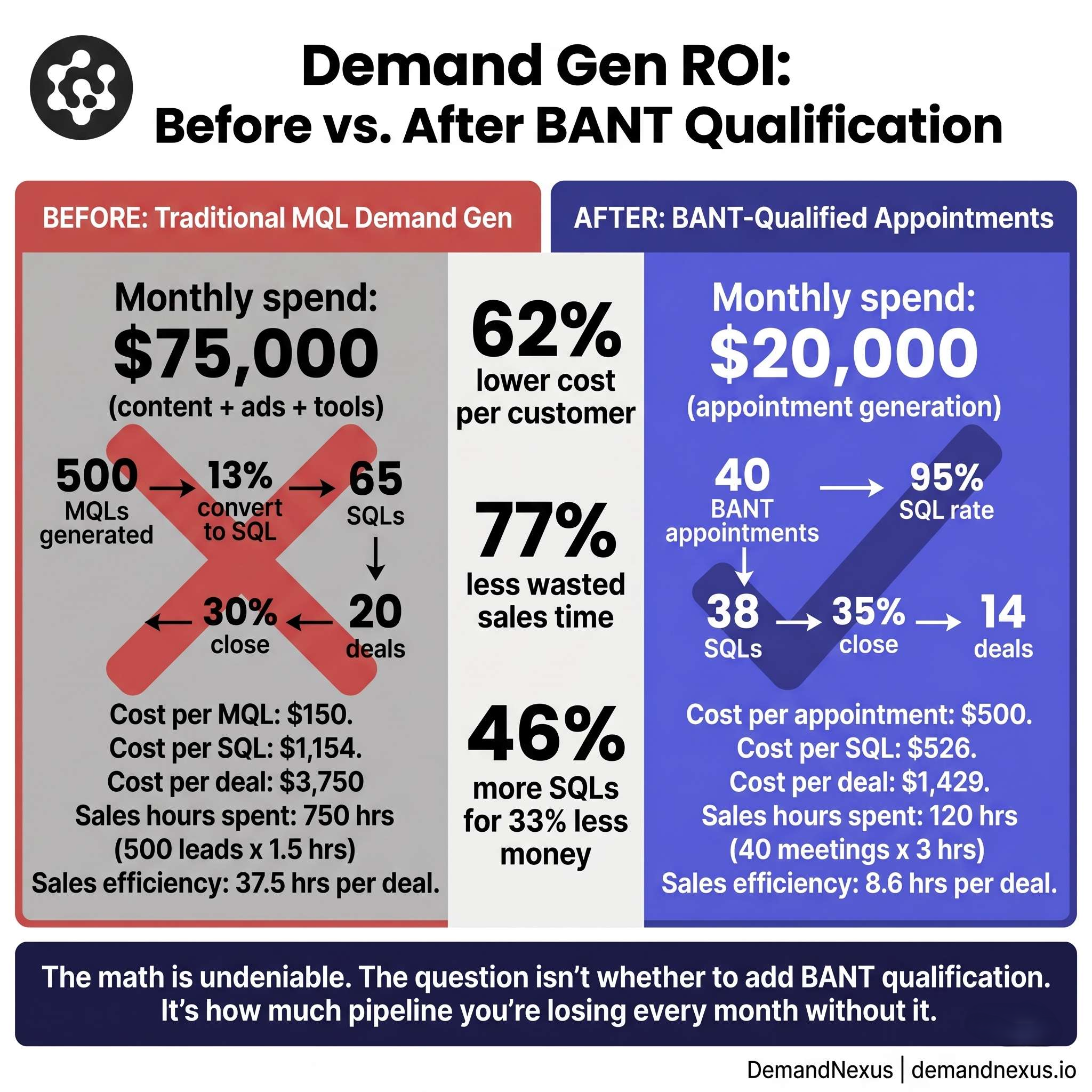
A typical problematic scenario looks like this: An SDR asks a prospect if they’re interested in a demo. The prospect says they’d like to learn more. The SDR books the meeting immediately—without asking about budget, authority, need, or timeline. The prospect shows up curious but unqualified. The AE wastes 60 minutes only to discover the “lead” is a college student researching a class project.
Industry data confirms this pattern. Sales teams report that 60–80% of marketing-generated appointments are unqualified. Common complaints include prospects having no budget, not being decision-makers, doing research for projects 18 months away, or thinking the company offered something completely different.
The root cause isn’t lazy SDRs—it’s structural. Internal SDRs are caught between quantity targets and quality standards, and quantity typically wins.
Essential Skills for SDR Success
Excelling as an SDR requires both hard and soft skills:
Research Capability
Developing deep knowledge of prospects’ industries, roles, pain points, and competitive landscape. The best SDRs read the same content their prospects read and understand the specific challenges driving buying behavior.
Communication Skills
Clear, persuasive messaging via calls, emails, or social platforms that builds trust rather than triggering defensive reactions.
Active Listening
Understanding prospect needs and positioning solutions effectively. This includes asking diagnostic questions and probing for specifics rather than accepting vague answers.
Creativity
Unique approaches—like personalized video prospecting—cut through inbox noise and demonstrate genuine engagement with the prospect’s situation.
Resilience
Handling rejection requires mental toughness. Cold calling success rates average around 2–3%, meaning SDRs hear “no” far more often than “yes.”
Technical Proficiency
Working with CRMs, sales enablement tools, data platforms, and AI-powered research tools directly impacts efficiency and output quality.
Why SDRs Are Critical to Sales Success
The SDR function remains essential for B2B organizations for several reasons.
Pipeline Growth
SDRs generate qualified leads and ensure a steady flow of opportunities. Without consistent prospecting, even the best AEs run out of deals to close.
Time Efficiency
SDRs filter leads so AEs can focus on closing deals rather than chasing unqualified prospects. When SDRs pass genuinely qualified meetings, AEs spend their time on revenue-generating conversations.
Better Customer Experience
Personalized, research-based outreach demonstrates understanding of the prospect’s situation, creating a seamless buying journey from first contact through close.
Scalability
A dedicated SDR function allows sales processes to grow with demand without overloading AEs with prospecting responsibilities.
The question isn’t whether to have SDR capacity—it’s how to structure the function to deliver qualified opportunities rather than volume-based activity.
The Qualification Solution: BANT-Verified Appointments
The most effective approach to fixing the SDR qualification problem involves rigorous BANT verification before any meeting reaches an AE’s calendar.
Budget Verification
Confirming the prospect has allocated funds or approved budget for the type of solution being discussed. Not “I’d need to check with finance” or “budget hasn’t been approved yet”—but confirmed, available budget.
Authority Mapping
Identifying whether the prospect is the decision-maker or a key influencer on the buying committee. This includes understanding who else needs to be involved and what the approval process looks like.
Need Discovery
Confirming the prospect has a real, urgent business problem—not casual research or future planning. This involves understanding the specific pain points, the impact of not solving the problem, and what success looks like.
Timeline Confirmation
Establishing when the prospect needs a solution in place and what’s driving that deadline. Contract expirations, compliance requirements, board mandates, and expansion plans all create genuine buying urgency.
When SDRs rigorously verify all four BANT elements before scheduling meetings, conversion rates improve dramatically. Meetings that convert at 25–40% to closed business instead of 3–5% are the result.
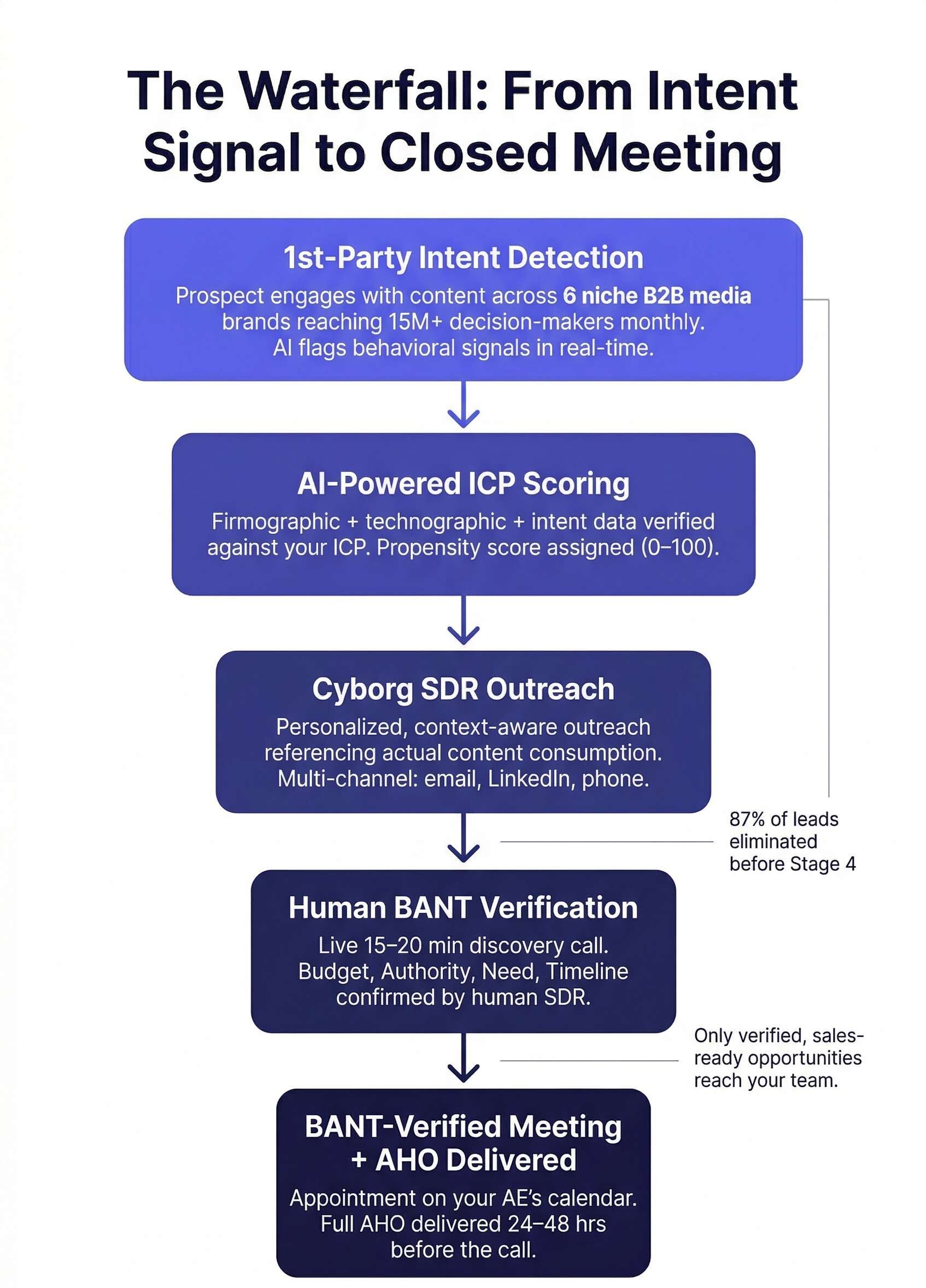
The AE Preparation Difference: Appointment Handover Sheets
Beyond qualification, how SDRs hand off information to AEs significantly impacts close rates.
Traditional handoffs often look like: “I booked a meeting with Jane at Acme Corp. She’s interested in our product. Here’s the calendar invite.” The AE walks into the meeting blind—doesn’t know the pain points, doesn’t know the budget or timeline, doesn’t know who the decision-maker is. The AE wastes the first 15 minutes of the meeting asking discovery questions the SDR already covered. The result is a generic demo, the prospect loses interest, and the deal stalls.
Effective handoffs provide comprehensive Appointment Handover documentation delivered 24–48 hours before the meeting. This includes an executive summary covering who the prospect is and what makes them qualified, full BANT verification notes with verbatim quotes, pain points in the prospect’s own words, competitor intelligence covering what they’re currently using and why it’s failing, objections raised during qualification and how they were addressed, and a recommended approach for the meeting.
The AE walks into the meeting fully prepared. They know the exact pain points, the budget available, who makes the decision, the timeline pressure, the competitive situation, and likely objections. The opening conversation references specific information: “Based on our conversation with my colleague, I understand you’re losing several deals per month because contract cycles are taking eight weeks. You mentioned your team is expanding and you need this fixed by April. Let me show you exactly how we’ve solved this for similar companies.”
How to Become an SDR: Getting Started
The SDR role is often entry-level, making it an accessible path into sales careers. Breaking into the role involves several approaches.
Building skills through online courses in sales methodology, cold emailing, or CRM usage provides foundational knowledge. Many platforms offer free or low-cost certifications. Networking with current SDRs on LinkedIn or through sales communities provides insight into the role and potential job leads. Demonstrating initiative by cold calling or emailing hiring managers with a tailored pitch shows you can do the job while simultaneously seeking it. Interview preparation requires researching the company’s product, ideal customer profile, and sales process to demonstrate genuine interest and capability.
Hiring managers typically prioritize coachability, communication skills, and resilience over formal education. The ability to handle rejection and continuously improve matters more than specific credentials.
SDR Career Progression: What’s Next?
The SDR role extends beyond entry-level work—it’s a launchpad for diverse career paths.
Account Executive (AE)
The most common progression, moving from qualification to closing deals. SDRs who understand what makes a qualified opportunity become better closers because they know what good looks like.
SDR Manager
Leading and training SDR teams, with responsibility for hiring, coaching, and performance management.
Customer Success Manager
Supporting clients post-sale to reduce churn and expand accounts, leveraging prospect insight skills in a retention context.
Marketing Roles
Leveraging prospect insights for content development, demand generation, or product marketing.
Getting promoted typically requires consistently hitting targets, seeking mentorship, and demonstrating readiness for the next level during stand-in opportunities.
Challenges of Being an SDR
The SDR role is rewarding but demanding. Common challenges include:
Rejection frequency from low success rates—around 2–3% for cold calls—requires developing mental resilience and not taking “no” personally. Quota pressure in target-driven environments creates stress, particularly when conflicting incentives push volume over quality. Multitasking demands from balancing outreach, research, qualification calls, and CRM updates require strong organizational skills and time management.
Overcoming these challenges involves building support networks, using automation tools where appropriate, and developing mental toughness through practice and perspective.
The Cyborg SDR Model: AI-Amplified Human Expertise
The most effective modern approach to SDR operations combines AI-powered research with human relationship building—what some call the “Cyborg” SDR model.
AI handles the scalable work: sifting through millions of data points, monitoring intent signals, running message variant testing, tracking performance anomalies, and prioritizing daily activity. This is research at scale.
Humans handle the valuable work: building trust, navigating objections, showing empathy, asking diagnostic questions, and closing the deal. This is relationship building.
The philosophy is simple: invest in AI tools to make human experts significantly more effective. AI finds high-intent prospects; humans build relationships. AI tests messaging; humans craft contextual communication. AI flags opportunities; humans coach and optimize.
The result is higher volume and higher quality—not the false choice between “spam cannon” automation or “blind dialing” without intelligence.
Traditional cold calling often starts with “Hi, do you have 30 seconds?”—and achieves 90%+ hang-up rates. AI-powered context-aware outreach references specific prospect behavior: “I noticed you’ve been researching this topic recently. What prompted your research today?” This approach achieves 40–50% engagement rates because it demonstrates homework, shows understanding of the prospect’s world, and opens with curiosity rather than a pitch.
Tools to Empower SDRs
Modern SDRs rely on technology stacks that support both efficiency and effectiveness:
CRM Software
Tools like Salesforce or HubSpot track leads, manage cadences, and streamline handoffs to AEs with complete context.
Prospecting Tools and Databases
Provide compliant contact data, company intelligence, and intent signals to prioritize outreach.
Outreach Software
Enables multi-channel cadences across email, phone, and social with automation where appropriate and personalization where necessary.
Data Enrichment Platforms
Offer industry insights, company news, and competitive intelligence for personalized, relevant conversations.
AI Research Tools
Monitor intent signals, score prospects by propensity to buy, and surface relevant information for SDR conversations.
These tools enhance efficiency, allowing SDRs to focus on relationship-building rather than manual research and data entry.
Conclusion: The Evolution of the SDR Role
The SDR function remains a cornerstone of B2B growth, driving lead generation and setting the stage for successful deals. But the role is evolving from volume-based activity metrics toward quality-focused outcomes.
The most effective SDR operations combine rigorous BANT qualification, AI-powered research capabilities, human relationship building, and comprehensive AE preparation through detailed handoff documentation. This approach transforms prospects into qualified opportunities and dramatically improves conversion rates.
For businesses, the question isn’t whether to invest in SDR capacity—it’s whether to prioritize qualified appointments over raw meeting volume. For aspiring professionals, the SDR role offers a proven path into sales careers with clear progression opportunities.
Success in the modern SDR role requires embracing both technology and human skills: using AI for research and scale while applying human judgment, empathy, and relationship-building where they matter most.
Frequently Asked Questions
What does SDR stand for in sales?
SDR stands for Sales Development Representative. SDRs focus on generating and qualifying leads for the sales pipeline, typically handling outbound prospecting and initial qualification before passing opportunities to Account Executives who close deals.
What is the difference between an SDR and an AE?
SDRs focus on the early stages of the sales process—prospecting, outreach, and qualification. AEs (Account Executives) focus on closing deals with qualified prospects. SDRs fill the pipeline; AEs convert opportunities to revenue.
What does BANT qualification mean?
BANT stands for Budget, Authority, Need, and Timeline. It’s a qualification framework SDRs use to assess whether a prospect has allocated budget, decision-making authority, genuine business need, and defined purchase timeline—ensuring only qualified opportunities reach AEs.
What skills do you need to be an SDR?
Essential SDR skills include research capability, clear communication, active listening, creativity in outreach, resilience to handle rejection, and technical proficiency with CRM and sales tools. Coachability and persistence often matter more than formal credentials.
Is SDR a good entry-level sales job?
Yes. The SDR role is often entry-level and serves as a launchpad for sales careers. Common progression paths include Account Executive, SDR Manager, Customer Success Manager, or marketing roles. The role provides foundational sales skills and exposure to the full sales cycle.
Why do most SDR-generated appointments fail to close?
Most SDR-generated appointments fail because internal SDRs face conflicting incentives between meeting quotas (volume) and qualification standards (quality). When quota pressure mounts, qualification steps get skipped, resulting in 60–80% of appointments being unqualified.
What is an Appointment Handover Sheet (AHO)?
An Appointment Handover Sheet is a comprehensive briefing document delivered to AEs before meetings. It includes BANT verification notes, prospect pain points, competitor intelligence, objections raised, and recommended approaches—ensuring AEs enter meetings fully prepared.
Ready to transform your pipeline with BANT-qualified appointments? Learn how rigorous qualification and AI-amplified prospecting can deliver meetings that actually convert. Contact Demand Nexus at sales@demandnexus.io or visit www.demandnexus.io.