


This guide explains why technology buyers behave differently, maps the tech sales process variant, identifies who the real buyer is at technology companies, and shows how intent data from technology-focused media brands provides a structural advantage in reaching these buyers.

Most B2B teams lose 40–60% of qualified prospects to broken handoffs and weak qualification. Take our 2-minute diagnostic to find out where your pipeline is bleeding — and how to fix it.
Start the Quiz → Takes 2 minutes. No email required to start.Why Tech Buyers Are Different
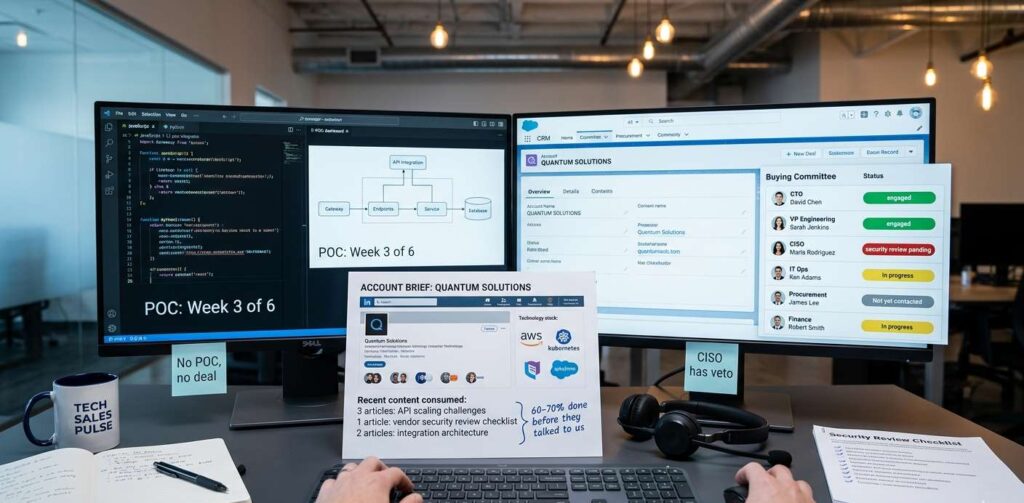
They research before you know they exist. Technology buyers typically complete 60–70% of their evaluation before engaging a vendor. They read analyst reports, peer reviews on G2 and TrustRadius, technical documentation, and industry publications. By the time your SDR reaches them, they may have already formed opinions about your product and your competitors.
They buy in committees. A technology purchase over $50K typically involves the CTO or VP of Engineering (technical vision), a CISO (security review), a procurement team (vendor management), IT operations (implementation), end users (daily workflow impact), and a CFO or VP of Finance (budget approval). Missing any stakeholder can stall or kill a deal.
They require proof. Unlike other B2B buyers who may accept case studies and ROI projections, tech buyers want to see the product work. POCs (proof of concepts), technical evaluations, sandbox environments, and integration testing are standard parts of the tech sales cycle. Your sales process must accommodate these evaluation stages without losing deal momentum.

They distrust sales. Tech buyers – especially engineers and developers – have been burned by products that oversold and underdelivered. They are allergic to marketing language and responsive to technical accuracy, honest limitations, and peer validation. The SDR who opens with “I’d love to show you our revolutionary AI-powered platform” loses credibility immediately. The SDR who opens with “I noticed your team has been evaluating API integration approaches – we solved a similar challenge for [Company] in 6 weeks” earns attention.

Who Is the Real Buyer at Technology Companies?
The job title in the CRM does not always tell you who controls the buying decision. At technology companies, the real buyer depends on the product category:
Developer tools / infrastructure: The VP of Engineering or a senior engineering manager typically owns the decision. The CTO sets strategic direction but may delegate vendor selection. Individual developers are end-user influencers whose adoption determines success.
Cybersecurity / compliance: The CISO drives evaluation and selection. The CTO and VP of Engineering must agree on implementation impact. Legal and compliance teams have veto power on data handling.
Marketing technology: The VP of Marketing or CMO owns the decision. The marketing operations team evaluates technical fit. Sales leadership has input if the tool affects pipeline handoff.
HR technology: The CHRO or VP of People drives selection. IT evaluates integration requirements. Finance approves budget for headcount-based pricing models.
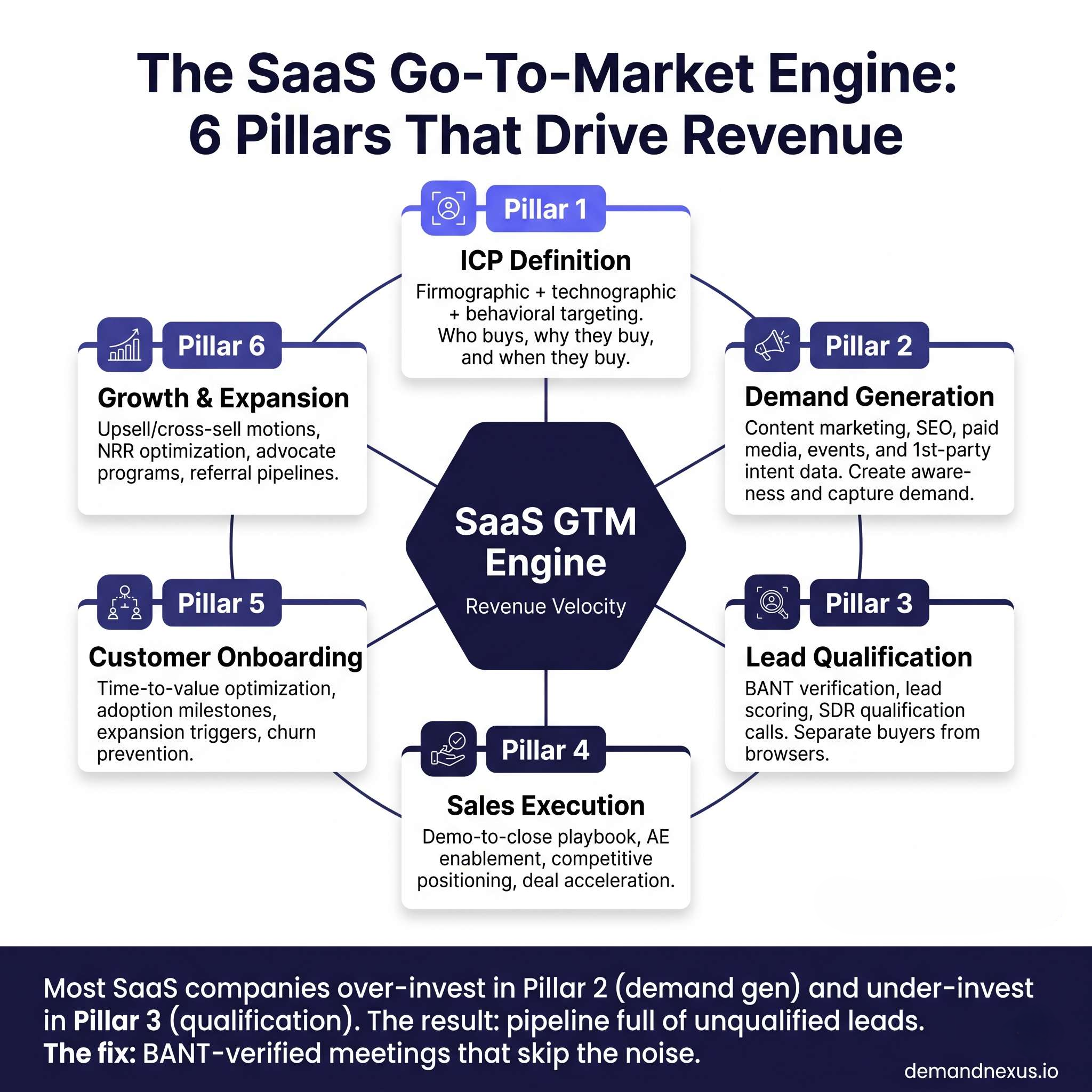
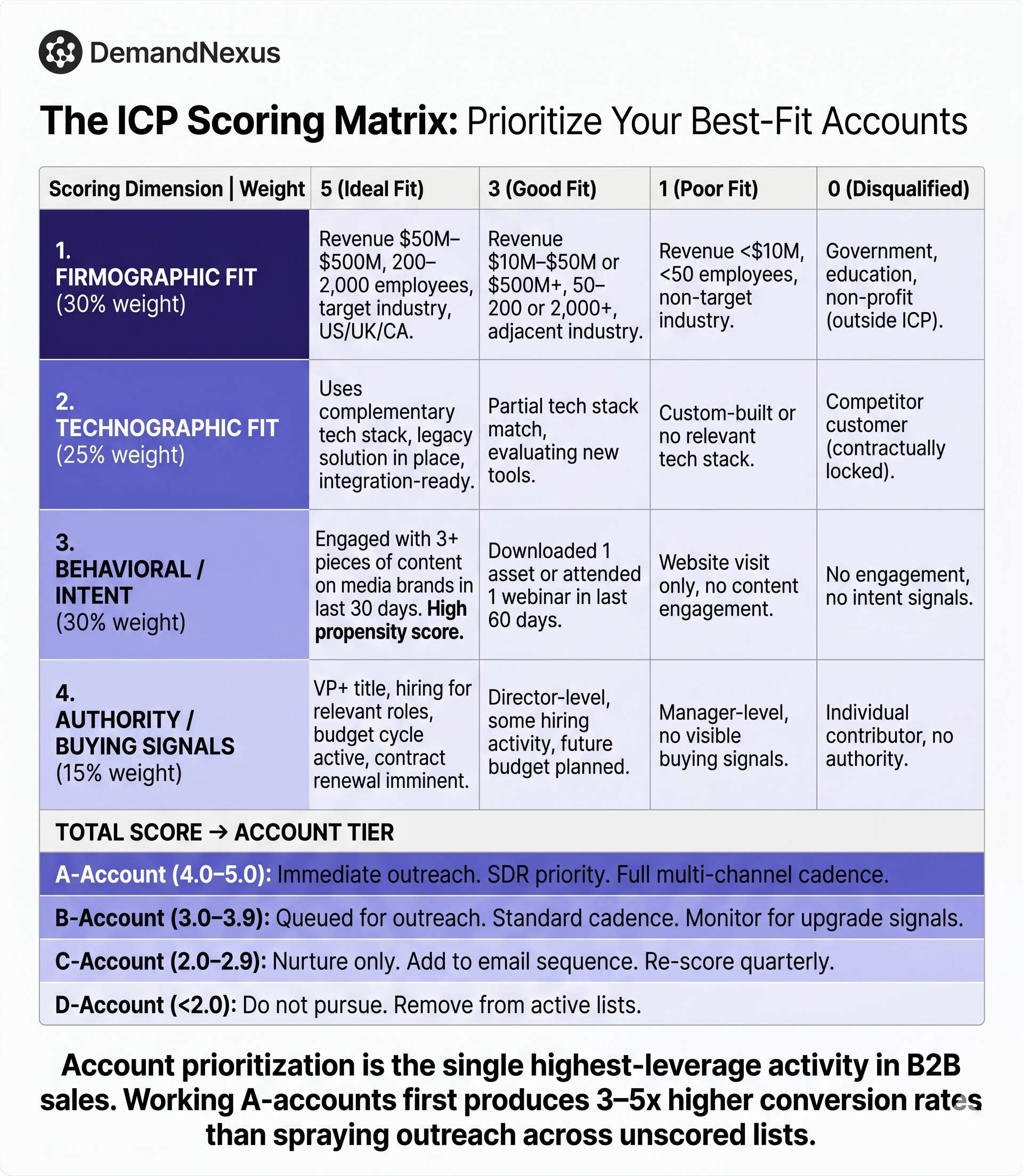
Mapping the real buyer for your specific product category is essential for ICP scoring and for directing SDR outreach to the right person – not just the most senior title in the org chart.
See how first-party intent from technology media brands identifies your buyers.
The Tech Sales Process Variant
The standard B2B sales process (Prospect → Connect → Qualify → Discover → Present → Propose → Close) adapts for tech sales with two additional stages:
Technical evaluation (between Present and Propose): The prospect’s technical team tests the product in their environment. This may involve a POC, a sandbox deployment, integration testing, or a security review. Duration: 2–8 weeks depending on complexity.
Security and compliance review (between Propose and Close): For enterprise tech deals, the prospect’s security team reviews your data handling, SOC 2 compliance, encryption standards, and incident response procedures. This can add 2–6 weeks to the cycle and is non-negotiable – no security approval, no deal.
Failing to account for these stages produces inaccurate forecasts and frustrated AEs who thought they were two weeks from close but are actually eight weeks away.
Intent Data for Tech Sales: The Vertical Advantage
Technology buyers consume technical content voraciously – analyst reports, comparison articles, implementation guides, and industry trend analysis. The publications they read signal exactly what they are evaluating and how far along they are in the process.
DemandNexus owns three media brands that directly serve the technology buyer audience: AITechTrend (4.7M monthly readers in AI and machine learning), DevTechTrend (1.8M in developer tools and infrastructure), and MarTechTrend (3.2M in marketing technology). When a VP of Engineering reads three articles about API integration challenges on DevTechTrend, that first-party signal feeds directly into the Cyborg SDR pod’s outreach – enabling a context-aware conversation that references the specific challenge the buyer is researching.
This is fundamentally different from cold outreach based on purchased lists. The tech buyer who receives a message saying “I noticed you were researching API scaling challenges on DevTechTrend” recognizes the publication, recognizes the topic, and engages because the outreach is relevant to a problem they are actively solving. The result is engagement rates of 40–50% compared to 2–3% for generic cold outreach.
Ready to reach tech buyers when they’re actively evaluating?
FAQs
What is B2B tech sales?
B2B tech sales is the practice of selling technology products and services-SaaS, infrastructure, cybersecurity, developer tools, IT services-to other businesses. It is characterized by longer sales cycles, technical evaluation requirements, committee-based decisions, and buyers who complete significant research before engaging vendors.
How do you sell to CTOs?
CTOs are strategic thinkers who care about technology vision, scalability, and alignment with business objectives. Lead with how your solution fits their technical architecture and roadmap-not just features. Reference relevant case studies from similar technology environments. Be technically accurate; CTOs detect and punish exaggeration. Engage their engineering leadership as technical evaluators to build bottom-up credibility alongside top-down strategic alignment.
What’s the B2B tech sales cycle?
Tech sales cycles range from 30–60 days for SMB SaaS deals to 6–12 months for enterprise technology purchases. The cycle is driven by evaluation committee size, technical evaluation requirements (POC, security review), procurement processes, and budget approval timelines. Companies that use intent data to engage accounts earlier in their buying process typically shorten cycles by 20–30%.
Is B2B tech sales a good career?
B2B tech sales offers high earning potential (OTE of $100K–$300K+ for experienced reps), career progression (SDR → AE → Manager → Director → VP), and exposure to cutting-edge technology. The trade-off is high quota pressure, complex deal management, and the requirement to develop genuine technical understanding of your product and your buyer’s environment.
How is tech sales different from regular B2B sales?
Tech sales involves more technical evaluation stages (POCs, security reviews), more stakeholders in the buying committee (engineering, security, IT ops, procurement), buyers who are more informed and skeptical (they’ve researched before talking to you), and products that require ongoing adoption and expansion post-sale. The sales process is longer but deal sizes and retention rates are typically higher.